Dr. Rohan Sinha is a highly experienced Neurosurgeon and Spine Surgeon with expertise in treating brain hemorrhage, stroke-related neurosurgical emergencies, and complex brain disorders.
The cost of treatment depends on several factors, including:
After evaluating imaging studies and clinical findings, Dr. Rohan Sinha provides a personalized treatment plan along with an estimated treatment cost.
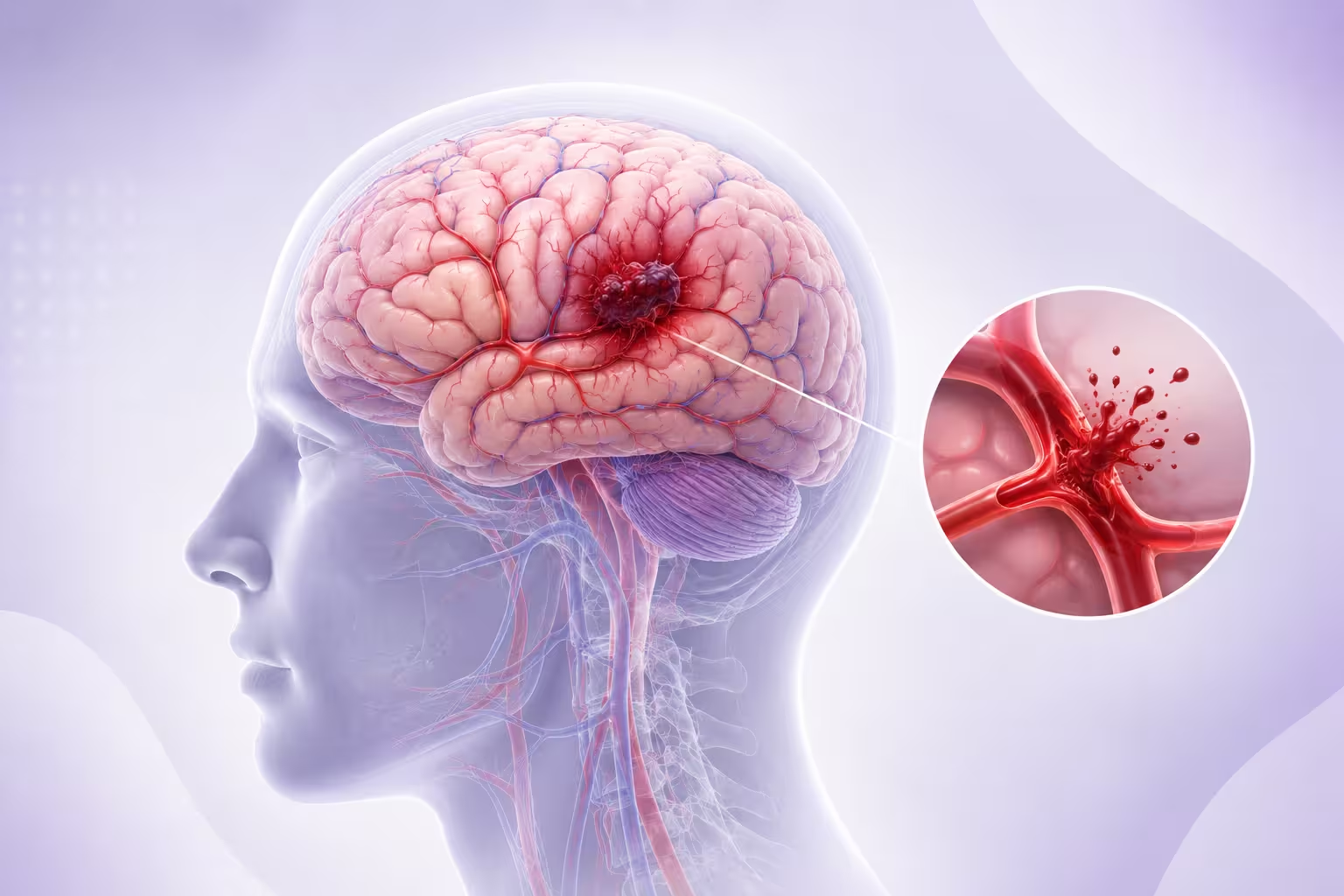
A brain hemorrhage occurs when a blood vessel in or around the brain ruptures, causing bleeding that compresses surrounding brain tissue. The condition requires immediate medical attention and, in many cases, emergency surgery.
Common types of brain hemorrhage include:
Early treatment can help reduce pressure on the brain and improve neurological outcomes.
Symptoms often appear suddenly and may worsen rapidly. Common symptoms include:
Dr. Rohan Sinha may recommend:
Treatment depends on the location, severity, and cause of the bleeding.
Surgery may be required to remove accumulated blood, relieve pressure on the brain, repair damaged blood vessels, or prevent further bleeding.
In selected patients, minimally invasive techniques may help reduce surgical trauma, blood loss, and recovery time.
Following surgery, patients receive specialized monitoring in the Neuro Intensive Care Unit (Neuro ICU), along with rehabilitation and neurological support for optimal recovery.
Early treatment can help:
Treatment recommendations are individualized according to each patient's condition.
Managing a brain hemorrhage requires rapid decision-making, surgical precision, and advanced critical care support.
Patients from Dadri choose Dr. Rohan Sinha because of:
A comprehensive, step-by-step approach to your neurological care, ensuring precision from diagnosis to full recovery.
A rapid neurological assessment is performed to evaluate the patient's symptoms and medical condition.
Emergency CT Scan, MRI, vascular imaging, and blood tests are carried out to identify the source and extent of bleeding.
Based on the diagnosis and the patient's neurological status, an individualized treatment strategy is developed.
If indicated, advanced neurosurgical techniques are used to remove the hematoma, control bleeding, and relieve pressure on the brain.
Patients receive specialized Neuro ICU care, neurological monitoring, rehabilitation, and supportive treatment during recovery.
Regular follow-up appointments help monitor neurological recovery, manage rehabilitation, and reduce the risk of future complications.
Real feedback from patients and families who trusted our care.
Find answers to common questions related to neurosurgery, spine surgery, brain tumors, stroke care, and advanced neurological treatments.
Yes. A brain hemorrhage requires immediate medical attention because delayed treatment can lead to permanent brain damage or life-threatening complications.
No. The need for surgery depends on the location, size, cause of the bleeding, and the patient's neurological condition.
Common causes include uncontrolled high blood pressure, head injury, ruptured brain aneurysms, arteriovenous malformations (AVMs), blood clotting disorders, and certain medications.
Recovery varies depending on the severity of the hemorrhage, the patient's overall health, and the extent of neurological injury. Rehabilitation often plays an important role in recovery.
Emergency CT Scan, MRI Brain, neurological examination, blood tests, and vascular imaging may be required before deciding on the appropriate treatment.
Yes. Patients from Dadri can consult Dr. Rohan Sinha at Max Super Speciality Hospital, Noida, for expert evaluation and advanced brain hemorrhage surgery.
Schedule your consultation with Dr. Rohan Sinha and locate our clinic easily through the map below.