Dr. Rohan Sinha is Senior Director – Neurosurgery & Spine Surgery, with over 13 years of experience in neurosurgery and spine surgery. He evaluates complex neurological conditions and develops treatment plans according to each patient's medical findings.
Brain hemorrhage treatment may involve surgery, endovascular procedures, medical management, or intensive care. The appropriate approach depends on the cause of bleeding, the patient's neurological condition, and the results of diagnostic investigations.

The cost of brain hemorrhage surgery in India depends on several factors, including:
Patients from Nepal can share their medical reports and brain scans for an initial review and an estimated treatment plan.
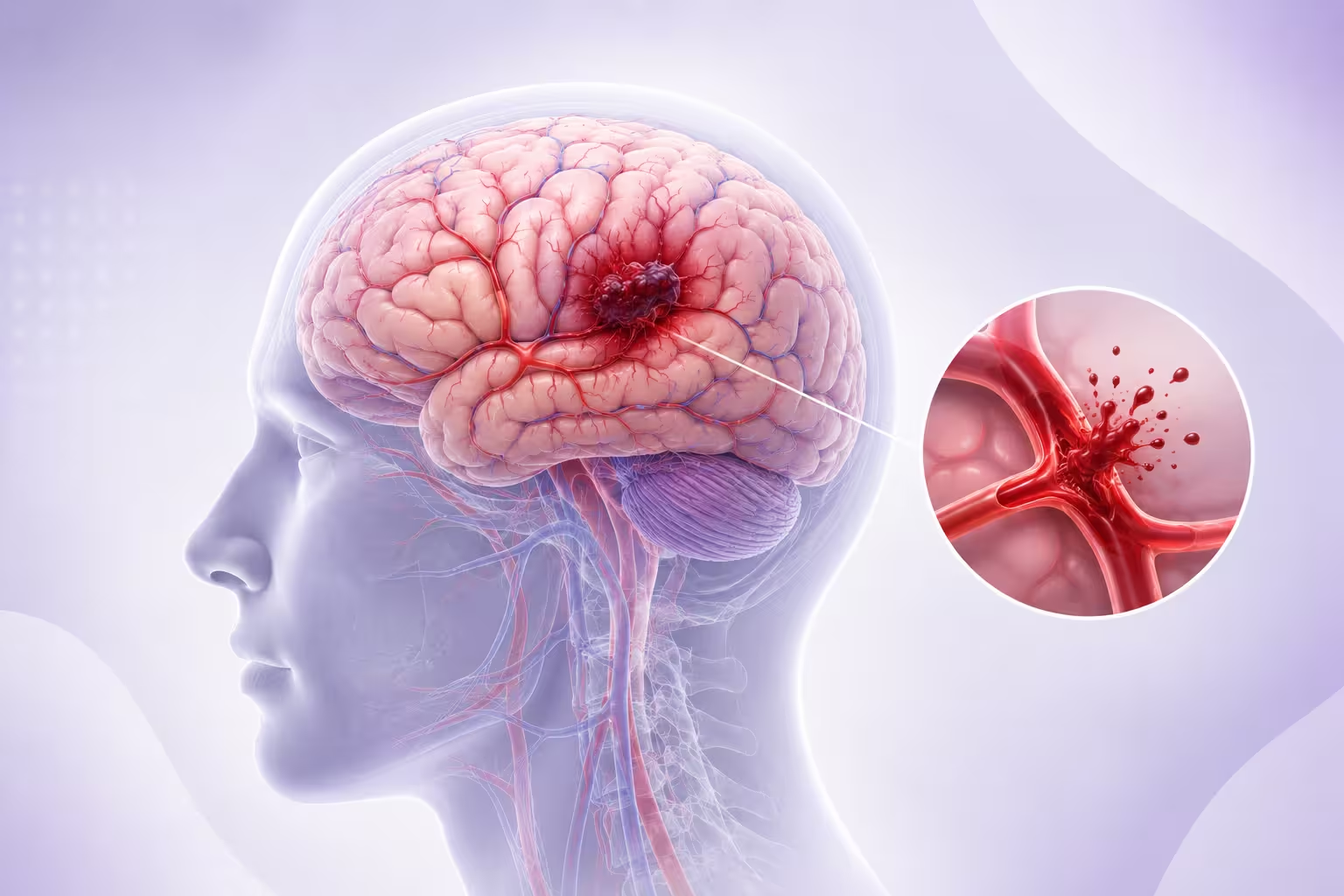
A brain hemorrhage occurs when a blood vessel breaks and causes bleeding inside the brain or in the spaces surrounding it. The bleeding can damage brain tissue and increase pressure inside the skull.
Common types of brain hemorrhage include:
Prompt diagnosis and appropriate treatment are essential to manage the bleeding and reduce the risk of serious complications.
Symptoms may appear suddenly and require immediate medical attention. Common symptoms include:
Tests used to assess a brain hemorrhage may include:
Treatment depends on the type, location, size, and severity of the hemorrhage.
Surgical removal of accumulated blood helps relieve pressure on the brain and prevent further damage.
Selected patients may benefit from minimally invasive procedures that reduce tissue trauma and support faster recovery.
Advanced surgical techniques may be used to treat aneurysms, vascular malformations, or other conditions causing the hemorrhage.
When surgery is medically necessary, it may help manage pressure on the brain and address the effects of bleeding. Potential benefits include:
Recovery depends on the severity of the hemorrhage, the treatment provided, and the extent of brain injury. Surgery cannot guarantee complete recovery.
Managing a brain hemorrhage requires urgent medical attention and specialized neurosurgical expertise. Treatment decisions depend on the patient's condition and brain imaging findings.
Key reasons patients may consider Dr. Rohan Sinha:
A comprehensive, step-by-step approach to your neurological care, ensuring precision from diagnosis to full recovery.
For planned consultations, patients can share available brain scans, medical reports, and treatment records.
The medical team reviews the available information and assesses the treatment requirements.
A treatment plan and cost estimate can be discussed after reviewing the patient's condition and required care.
Patients who are medically stable and advised to travel can coordinate appointments and hospital admission.
Treatment may involve surgery, another procedure, medical management, or intensive care, depending on the diagnosis.
Patients may need neurological monitoring, rehabilitation, medication reviews, and follow-up consultations.
Real feedback from patients and families who trusted our care.
Find answers to common questions about brain hemorrhage evaluation, emergency treatment, surgery, and care coordination in India for patients from Nepal.
India offers access to neurosurgeons, advanced diagnostic facilities, and hospitals with specialized neurological and intensive care services.
No. Some patients require surgery, while others may be treated with medicines and close monitoring. The decision depends on the type and severity of the hemorrhage.
Brain hemorrhage surgery carries risks, which depend on the location and severity of the bleeding and the patient's overall condition. The neurosurgical team assesses the potential benefits and risks before recommending a procedure whenever circumstances allow.
Recovery varies according to the severity of the bleeding, the treatment provided, and any resulting brain injury. Some patients require rehabilitation and long-term follow-up.
Patients who are medically stable may be able to arrange an online consultation and share their medical reports. Suspected brain hemorrhage requires immediate emergency assessment rather than waiting for an online appointment.
Patients should bring available CT or MRI images, investigation reports, discharge summaries, medication details, and relevant medical records. Passport and applicable travel documents may also be required.
Schedule your consultation with Dr. Rohan Sinha and locate our clinic easily through the map below.