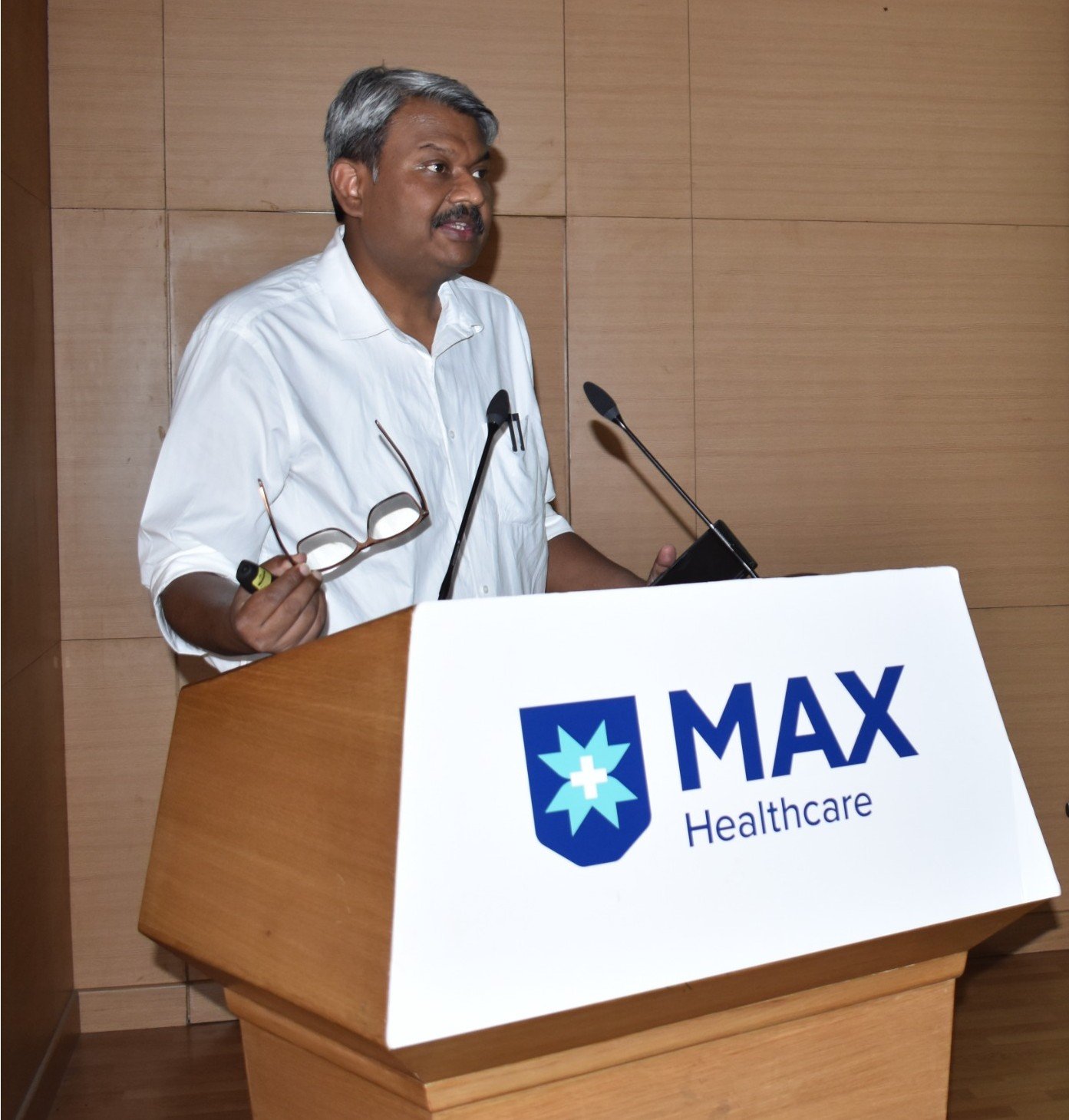
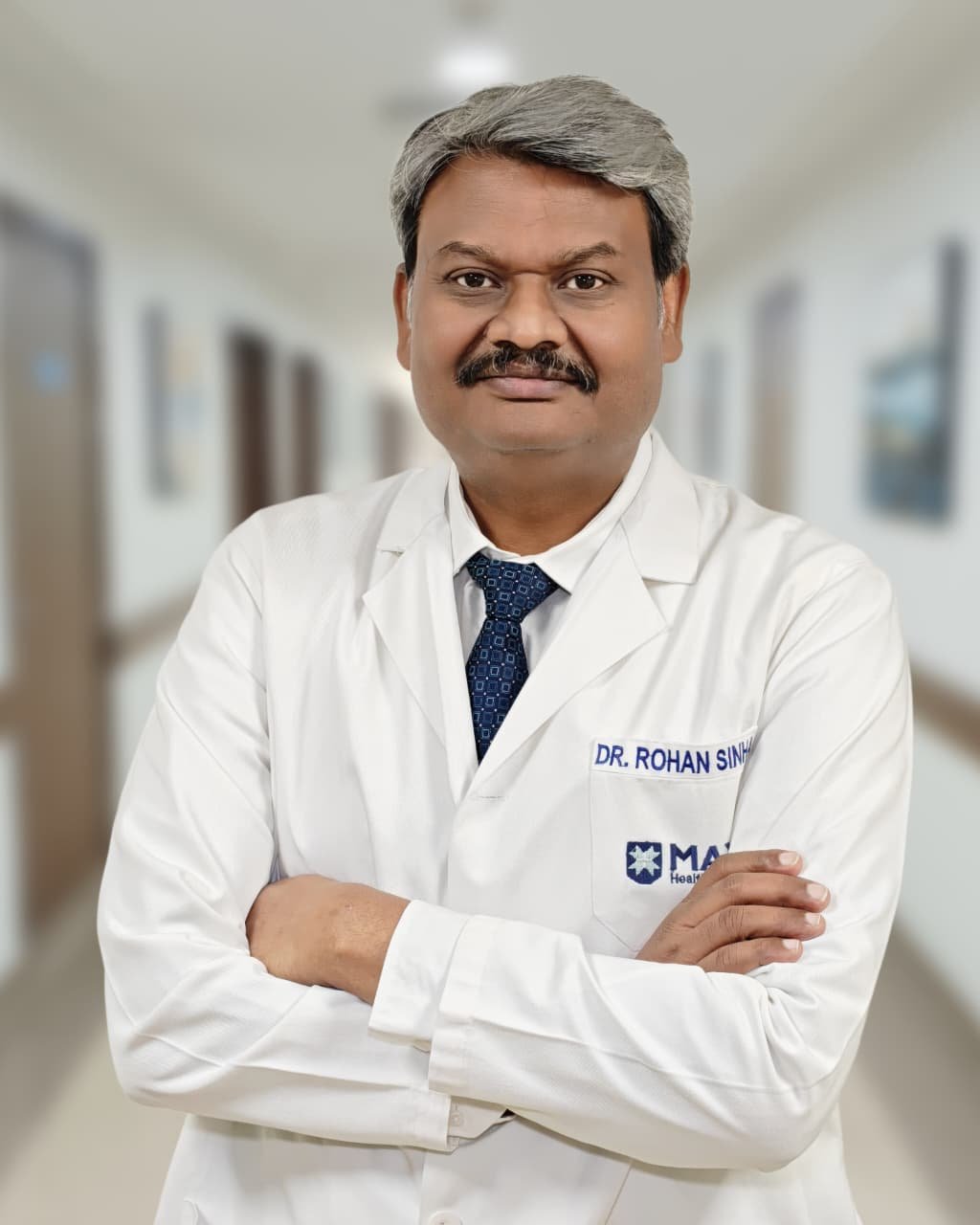
Dr. Rohan Sinha is the Senior Director – Neurosurgery & Spine Surgery, with over 13 years of experience in neurosurgery and spine surgery. He completed his MCh in Neurosurgery at PGIMER, Chandigarh, and received advanced neurosurgical training through a fellowship at Fujita Health University, Japan. He also gained clinical observer experience at Barrow Neurological Institute, USA, and holds an MBA in Hospital & Health System Management from BITS Pilani.
Dr. Rohan Sinha evaluates patients with brain tumors to help determine suitable treatment options. The recommended approach depends on the tumor's type, size, location, scan findings, and the patient's overall health.
The cost of brain tumor surgery in India depends on the patient's condition and the treatment required.
Factors that may affect the cost include:
Patients from Nepal can share their medical reports and recent scan results for an initial review. The likely treatment and estimated cost can then be discussed.
The final cost may change if further tests, additional treatment, or a longer hospital stay is needed. Travel, accommodation, and food expenses may be separate, so these should be confirmed before making arrangements.
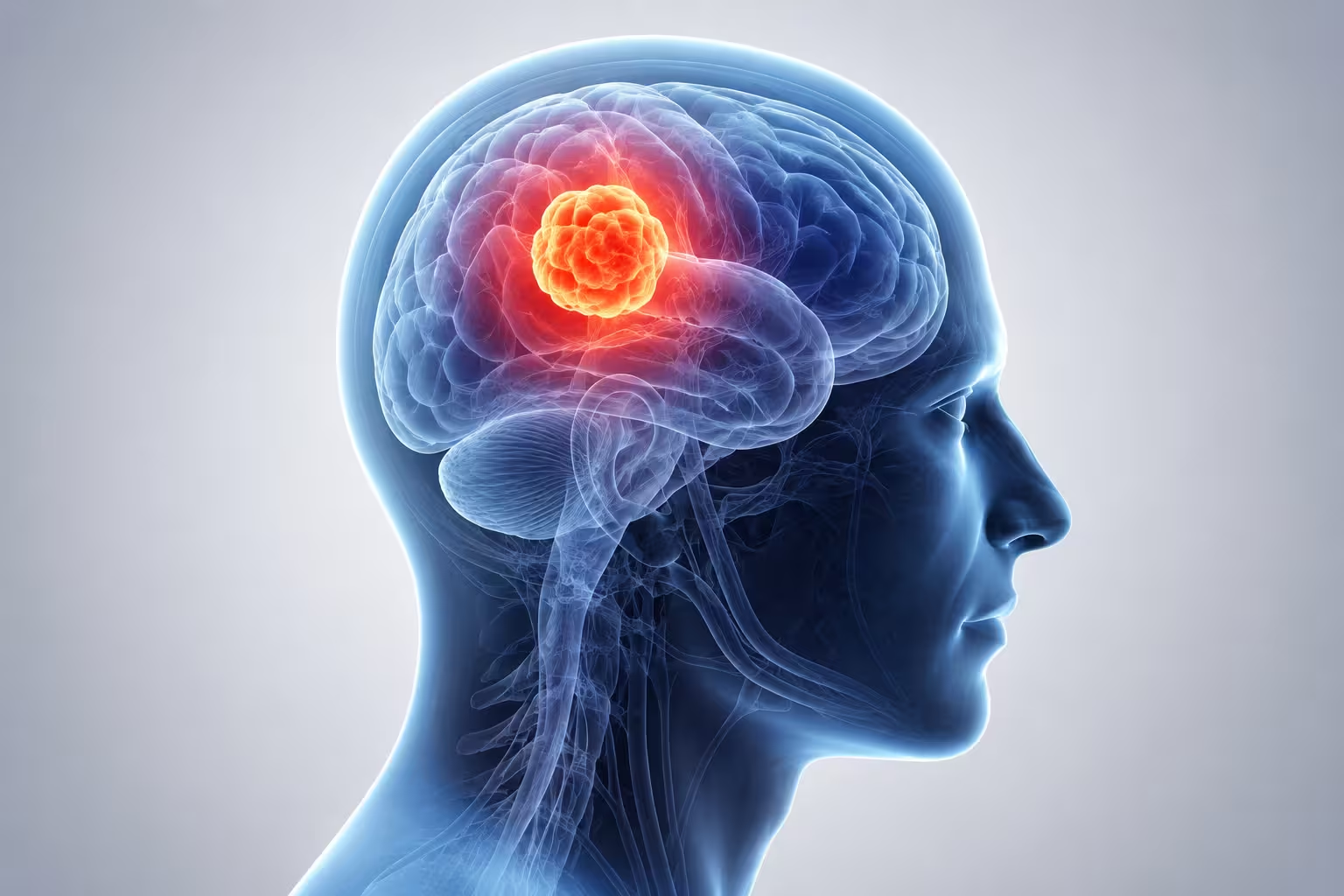
A brain tumor develops when abnormal cells grow and form a mass in the brain or nearby tissues. Some brain tumors are benign, meaning non-cancerous, while others are malignant, meaning cancerous.
Common types of brain tumors include:
Some tumors grow slowly and may only require regular monitoring. Others may need surgery or additional treatment. A specialist evaluates the scan findings and the patient's symptoms before recommending an approach.
Symptoms vary depending on the tumor's location and size. Common symptoms include:
To assess a brain tumor, Dr. Rohan Sinha may recommend:
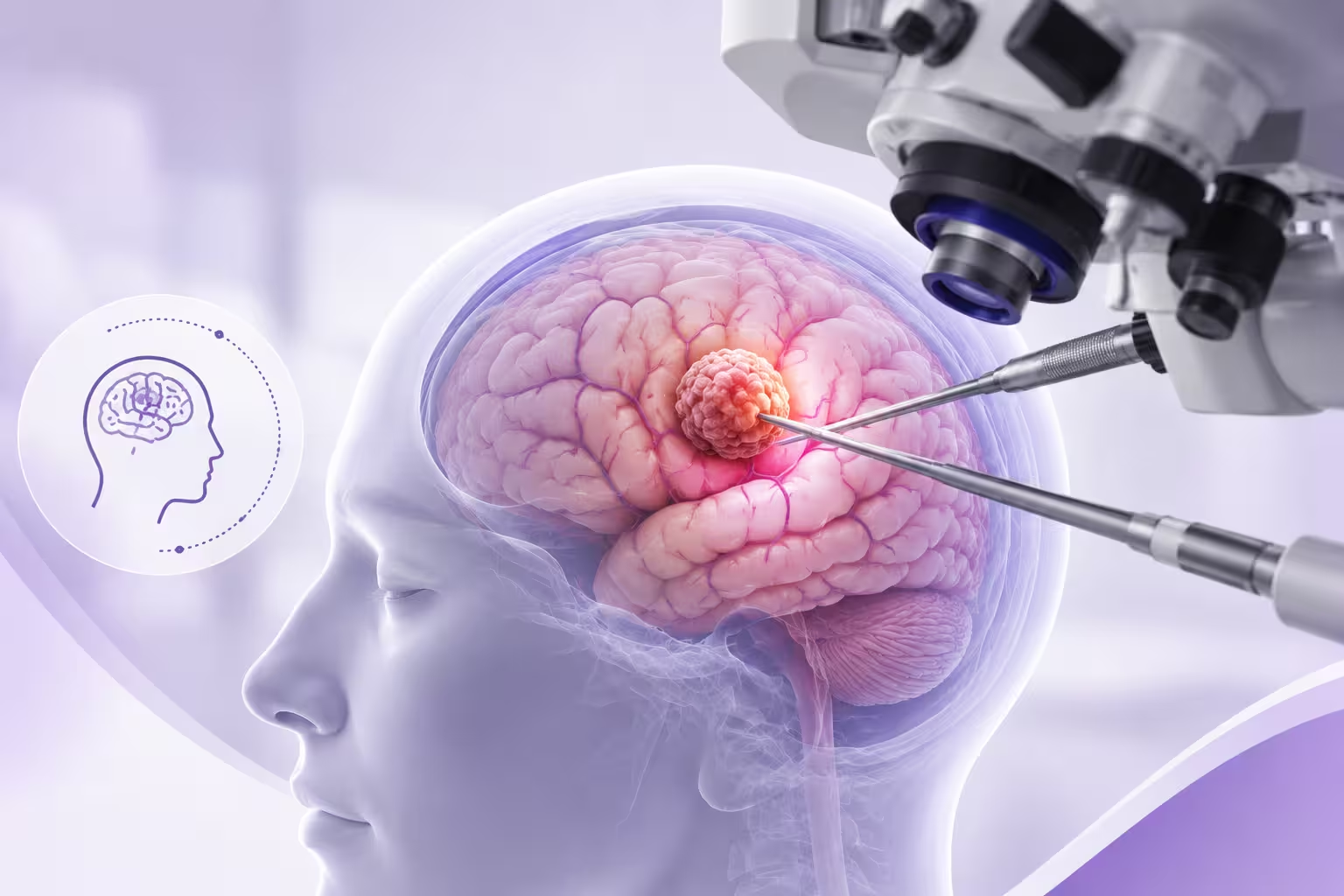
Microsurgical techniques allow precise removal of tumors while preserving healthy brain tissue and important neurological functions.
Selected tumors can be treated through minimally invasive approaches, resulting in smaller incisions, reduced pain, faster recovery, and a shorter hospital stay.
Endoscopic techniques may be used for specific tumors located near the skull base or ventricular system, minimizing tissue disruption.
Brain tumor surgery can provide several important benefits:
The results depend on the tumor's type, size, location, and effect on the brain. Surgery does not guarantee a cure, and some patients may need radiation therapy, medicines, rehabilitation, or regular scans afterwards.
Brain tumor surgery requires careful planning because the tumor may be close to areas that control speech, movement, vision, or memory. Dr. Rohan Sinha has extensive experience in neurosurgery and spine surgery and assesses patients with complex brain conditions.
Key reasons why patients consult Dr. Rohan Sinha:
A comprehensive, step-by-step approach to your neurological care, ensuring precision from diagnosis to full recovery.
Provide MRI scans, CT scans, biopsy reports, and previous medical records for an initial review.
Dr. Rohan Sinha reviews the reports and symptoms to assess the condition and identify possible treatment options.
Receive a treatment plan based on the diagnosis and medical needs, along with an estimated cost.
Arrange travel and hospital admission with support from the international patient team, once the treatment plan is discussed and travel is considered safe.
Receive the recommended treatment under the care of Dr. Rohan Sinha and his team. Depending on the diagnosis, treatment may involve surgery, biopsy, monitoring, or other therapies.
Get guidance on recovery, rehabilitation, and follow-up consultations. Follow the treating team's advice before planning the return journey to Nepal.
Real feedback from patients and families who trusted our care.
Find answers to common questions about brain tumor evaluation, treatment options, surgery, and care coordination in India for patients from Nepal.
Patients from Nepal may consider India for specialist evaluation, diagnostic tests, and treatment for brain tumors. The recommended treatment depends on the tumor type, location, and the patient's condition.
No. Brain tumors can be benign or malignant. A benign tumor can still cause problems if it presses on important parts of the brain.
No. Some tumors can be monitored through regular scans, while others may require surgery, radiation therapy, or medicines. The decision depends on the tumor's characteristics and the patient's health.
An online consultation may be available for patients to share their scan reports, medical records, and symptoms before travelling. An in-person examination or additional tests may still be required.
Patients should generally bring a valid passport, relevant travel documents, MRI and CT reports, medical records, biopsy reports if available, and details of previous treatment. Current visa requirements should be confirmed before travelling.
Some patients need repeat scans, medication, rehabilitation, or further treatment after surgery. The follow-up plan depends on the tumor type, surgical outcome, and the patient's recovery.
Schedule your consultation with Dr. Rohan Sinha and locate our clinic easily through the map below.