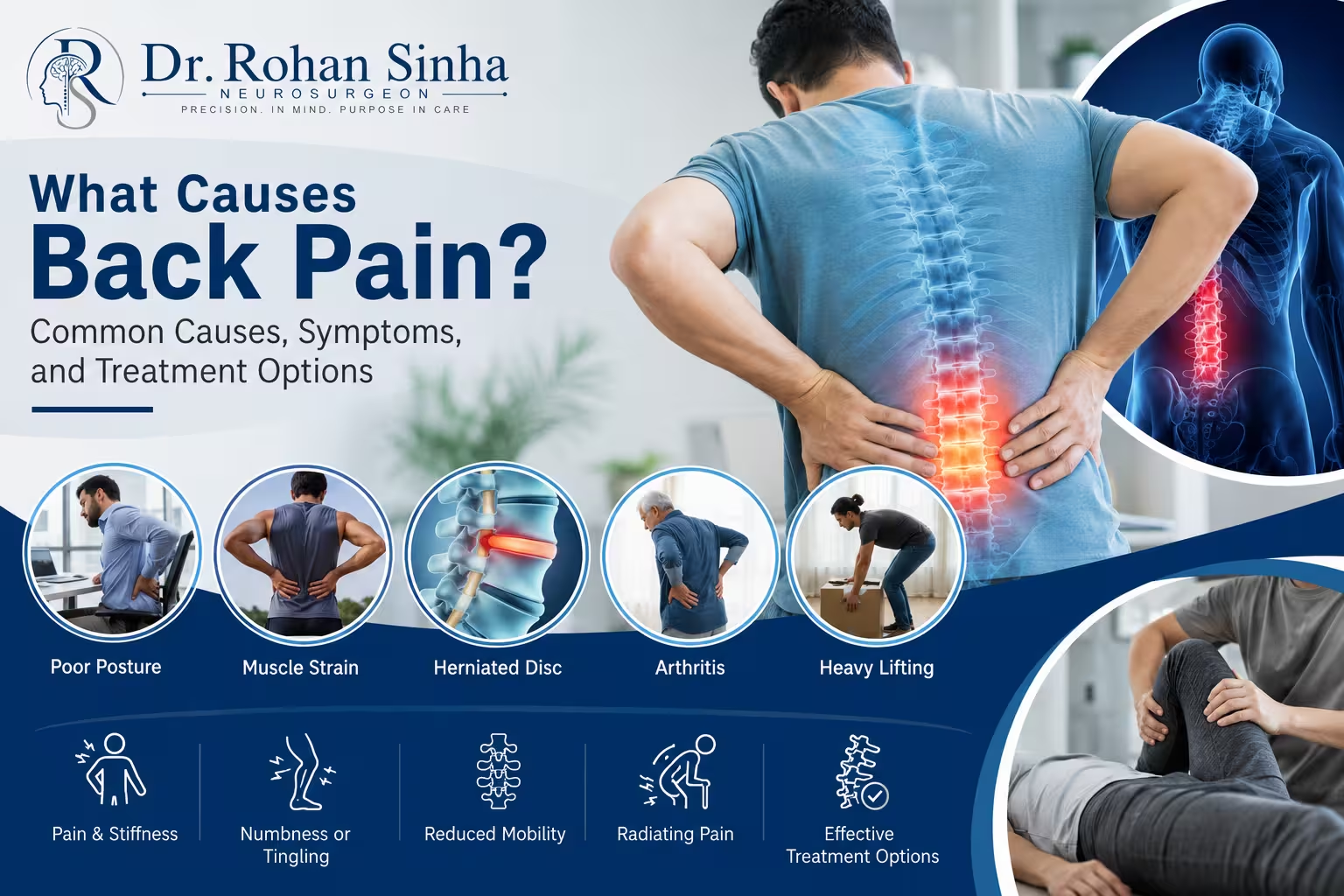
Back pain is most commonly caused by muscle or ligament strain from heavy lifting, sudden movements, or poor posture. Other frequent causes include bulging or ruptured discs, arthritis, osteoporosis, and structural spinal conditions like spinal stenosis.
What Is Back Pain?
Back pain means discomfort along the spine from the neck to the lower back. It can arise from an injury or occur on its own over a period of time.
Pain can be categorized by the time it lasts.
-
Acute back pain: lasts a few days to a few weeks
-
Chronic back pain: lasts longer than three months.
Back pain is most often experienced in the lower back, middle and upper back and can also affect daily activities and quality of life.
What Causes Back Pain?
Pain in the back can be caused by both simple issues in the muscles and complicated issues with the spine.
1. Muscle and Ligament Injury
Back pain is often directly related to injury of muscles or ligaments. These spontaneous injuries can be the result of heavy or awkward lifting, swift body movements, or just overexertion.
Symptoms of injury include:
-
Sore muscles
-
Stiffness
-
Restricted range of motion
-
Pain worsens with activity
2. Poor Posture and Long Hours of Sitting
Most back pain in today's population is related to long, poor posture caused by employment at a computer or frequent use of a mobile phone. Extra stress is placed on the spine and muscles surrounding it.
Common causes of back pain are:
-
Desk jobs
-
Poorly set up workspace
-
Poor Posture
-
Sedentary lifestyle
Poor posture can be a large contributor to chronic back pain throughout the course of a lifetime.
3. Herniated (Slipped) Disc
There are soft discs in the spine that act as cushions. They can bulge or rupture and begin to press on surrounding nerves, which can cause pain.
Symptoms include:
-
Back pain
-
Pain in arms or legs
-
Numbness
-
Tingling
-
Weakness of muscles
4. Sciatica
This is when the sciatic nerve gets pressed or pinched. This can also cause back pain, especially in the lower back.
-
Pain that starts in the lower back and travels to the leg
-
Burning
-
Tingling
-
Weakness in the leg
This is typically caused by a bulging disk or narrowing of the spine.
5. Arthritis and Degenerative Disc Disease
As we get older, the joints and discs of the spine suffer from wear. Osteoarthritis and degenerative disc disease may develop and cause pain and stiffness.
Some symptoms frequently experienced are:
-
Morning stiffness
-
Lesser flexibility
-
Chronic back pain
-
Movement becomes difficult
These conditions are some of the most frequent reasons older people experience back pain.
6. Spinal Stenosis
Spinal stenosis occurs when the various openings in the spine become narrower. This compresses the spinal cord and nerves.
Possible symptoms are:
-
Back pain
-
Leg pain when walking
-
Numbness and weakness
-
Balance can be affected
Spinal stenosis is more common after the age of 50.
7. Osteoporosis and Compression Fractures
Stronger bones are less likely to be fractured. Compression fractures in the spine can occur from minor activities when those bones are weakened by osteoporosis.
Possible symptoms include:
-
Immediate Osteoporosis Back Pain
-
Shorter Stature
-
Rounded Back
-
Limited Control
8. Excess Weight, Sedentary Lifestyle and Stress
Excess body weight puts more pressure on the spine and the rest of the back. Weakened core stabilizers of the back can be caused by a sedentary lifestyle.
Stress can be a crutch of discomfort because it can stimulate tension in the muscles and amplify pain.
Common Symptoms Associated With Back Pain
It is worth noting that back pain may differ in manifestation depending on the cause. It is characterized by such manifestations as:
-
Constant ache or stiffness
-
Muscle spasms
-
Acute or sharp pain
-
Leg pain
-
Weakness in the legs
-
Numbness and tingling
-
Walking difficulties
If these manifestations last for some time, consultation with a specialist is required.
When Should You See a Spine Specialist?
Although many cases may respond to conservative management such as taking rest, there are those that need the attention of a medical professional.
A visit to a spine specialist is recommended if:
-
The pain persists for weeks
-
There is severe or progressive pain
-
Numbness and weakness of the limbs
-
Problems with walking and balancing
-
Back pain due to injury
-
Bladder/bowel problems
-
Unexplained weight loss accompanied by back pain
Treatment Options for Back Pain
Treatment options are influenced by the primary etiology of the condition and how serious the symptoms are.
Conservative Treatments
Non-surgical management is beneficial to many people and includes:
-
Physiotherapy
-
Changing daily activities
-
Medications for pain
-
Correcting posture
-
Managing weight
-
Targeted exercise programs
Advanced Spine Treatments
If conservative treatment options fail to provide relief, advanced treatment options may be considered, including:
-
Image-guided injections
-
Minimally invasive spine procedures
-
Endoscopic spine surgery
-
Spine surgery for serious conditions
A spine specialist is able to formulate the most appropriate treatment plan for your case.
Tips to Prevent Back Pain
Not all cases may be prevented, but there are some lifestyle changes that you can make to decrease your risks, including:
-
Keep proper posture
-
Exercise regularly
-
Build up your core strength
-
Lift heavy things properly
-
Keep a healthy body weight
-
Avoid prolonged sitting
-
Stretch throughout the day
These practices will help keep your spine healthy and decrease your chances of any complications.
Why Choose Dr. Rohan Sinha for Back Pain Treatment in Noida?
Dr. Rohan Sinha is a Neurosurgeon & Spine Surgeon in Noida who specializes in advanced brain and spine treatments with personalized patient care.
For patients experiencing back pain, his approach focuses on understanding the underlying cause through assessment of symptoms, medical history, daily activities, and, when required, diagnostic imaging such as X-rays or MRI scans.
His practice includes evaluation and treatment of different spine-related conditions, including back pain, sciatica, slipped disc, herniated disc, lumbar spondylosis, degenerative disc disease, and spinal stenosis.
Treatment is individualized according to the patient's condition. Depending on the diagnosis, management may involve non-surgical treatment or specialized spine procedures, including minimally invasive approaches for selected patients.
Related Treatments for Back Pain
Depending on the underlying cause, symptoms, and severity of back pain, different treatment approaches may be considered. Related spine treatments include:
Frequently Asked Questions About Back Pain
1. What are the most common causes of back pain?
Common causes include muscle or ligament strain, poor posture, prolonged sitting, slipped discs, sciatica, arthritis, degenerative disc disease, spinal stenosis, injuries, and certain lifestyle factors.
2. When should I see a doctor for back pain?
You should consider medical evaluation if back pain persists for several weeks, becomes severe or progressively worse, follows an injury, or is associated with numbness, weakness, difficulty walking, or other concerning symptoms.
3. How do I know if my back pain is caused by a slipped disc?
A slipped disc may cause back pain along with symptoms such as pain radiating into an arm or leg, numbness, tingling, or muscle weakness. A doctor may recommend a physical examination and imaging tests when appropriate.
4. What causes lower back pain that travels down the leg?
Lower back pain that travels down the leg may occur when the sciatic nerve or another spinal nerve becomes irritated or compressed. Sciatica is one possible cause.
5. Can poor posture cause back pain?
Yes. Poor posture, particularly when sitting or standing for prolonged periods, can place additional stress on the muscles and structures supporting the spine and may contribute to back discomfort.
6. Is back pain always a sign of a serious spine problem?
No. Many cases of back pain are related to muscle strain, posture, physical activity, or other manageable causes. However, persistent, severe, or worsening pain should be medically evaluated to identify the underlying cause.
7. What is the best treatment for back pain?
There is no single treatment that is appropriate for everyone. Treatment depends on the underlying cause and may include physiotherapy, activity modification, medications, targeted injections, minimally invasive procedures, or surgery in selected cases.
8. Can back pain be treated without surgery?
Many cases of back pain can improve with non-surgical approaches such as physiotherapy, posture correction, appropriate exercise, activity modification, and medications when advised by a healthcare professional. Surgery is considered only for specific conditions when clinically appropriate.
9. What type of doctor should I see for persistent back pain?
A spine specialist, orthopaedic spine surgeon, or neurosurgeon can evaluate persistent back pain, particularly when it is associated with nerve-related symptoms such as numbness, weakness, or pain radiating into the limbs.
10. Can back pain be prevented?
Not every cause of back pain can be prevented, but maintaining good posture, staying physically active, strengthening the core, avoiding prolonged sitting, using proper lifting techniques, and maintaining a healthy body weight may help reduce the risk of back problems.
Conclusion
Muscle strains can occur for several reasons, such as posture, diseases, bone structure, and lifestyle.
Not all cases require the same treatment, but it is advised not to ignore symptoms that persist or become worse. To create a successful long-term solution to back pain, the reason for the pain needs to be known. Diagnosing pain early can stop problems from getting worse and make life more enjoyable.
Dr. Rohan is one of the best neurosurgeons in Gurgaon and can help ease your back pain with a custom plan to help you get back to your normal life, discomfort-free and with peace of mind.