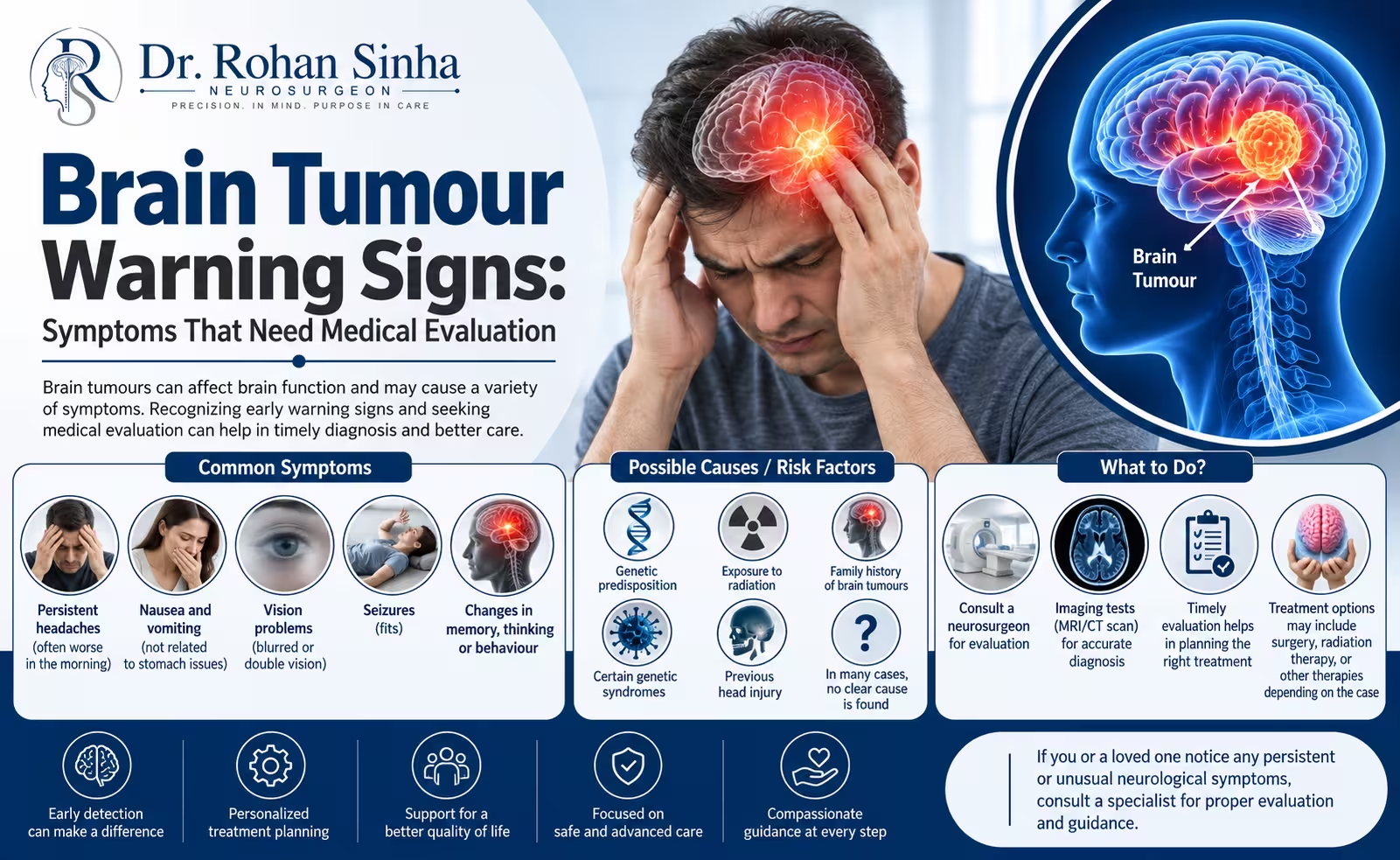
A brain tumor requires prompt medical evaluation if you experience new, persistent, or worsening neurological signs like severe morning headaches, sudden seizures, or unexplained balance problems.
What Is a Brain Tumour?
A brain tumor is the excessive growth of cells surrounding the brain. Brain tumors can either be benign tumors (noncancerous) or malignant (cancerous). Not all brain tumors are brain cancer.
Some benign brain tumors can grow and cause issues by increasing pressure on other areas of the brain. The symptoms will depend on the specific area of the brain that is affected.
Common Brain Tumor Symptoms
Brain tumor symptoms are different for everyone; some of these symptoms include:
New Headaches That Get Worse
People with brain tumors experience headaches as a symptom. Worse symptoms include persistent, new headaches that occur frequently and are more severe than before.
Most headaches are caused by things other than brain tumors. The pattern and serious nature of the headaches and other symptoms are of greater concern than the headaches themselves.
Nausea And Vomiting
Persistent nausea, especially when it is associated with headaches or other neurological symptoms, requires a visit to the doctor. Vomiting due to persistent nausea can also be a symptom of brain tumors. However, there can be other causes.
Seizures
Seizures begin when abnormal brain activity occurs. New seizures (especially in first-time seizure patients) indicate that something is wrong and needs to be checked by a doctor.
Seizures can present in many different ways. Unusual movements of the body, muscle stiffness, and loss of awareness and changes in consciousness are all signs that someone is having a seizure.
Changes in Vision
Changes in vision may be caused by a brain tumor and may be diagnosed by loss of part of your visual field, double vision, blurred vision, or even an inability to see. Any of these symptoms, along with new or unexplained changes in vision, should warrant a trip to the doctor.
Weakness or Numbness
Affected areas of the brain related to movement or to sensation can result in weakness or reduced sensation in the face, arm, or leg. Symptoms that affect one side of the body can be concerning.
Balance and Coordination Problems
Impaired balance can lead to difficulty walking, increasedō stumbling, or feeling dizzy.
Changes to a person’s ability to walk or coordinate movements should be assessed thoroughly, as these changes should not be attributed to weakness. Other neurological symptoms should be present.
Speech or Hearing Changes
Some individuals may experience difficulty speaking or utilizing the correct speech sounds, difficulty finding the appropriate words to speak, or difficulty hearing.
Changes in Memory or Behaviour
Changes to memory or other thinking patterns can be related to changes in behavior or personality.
Signs of these may be difficult to notice by the person with the changes themselves. It is usually an observable pattern of changes and may be noticed by family and friends, or caretakers, first.
Signs of Brain Tumor That Should Not Be Ignored
Not every symptom indicates the presence of a brain tumor in a patient. But some patterns need to be addressed medically.
You need to see your doctor if you have:
-
A new headache that either lasts or becomes more severe
-
Headaches with vomiting and neurological signs
-
First seizure
-
Persistent weakness or numbness
-
Difficulty with coordination
-
Changes in speech or vision without apparent reason
-
Memory, thinking, and behavioral changes
-
Multiple neurological signs
Location of a brain tumor is an important factor for determining its symptoms. That is why two patients with brain tumors may have completely different symptoms.
Brain Tumour vs Brain Cancer: Are They the Same?
Brain tumour and brain cancer are often referred to as synonymous, yet not necessarily so.
A brain tumour can be either benign or malignant. A malignant brain tumour is cancerous and is capable of invading neighbouring tissues of the brain. A benign brain tumour is non-cancerous and yet can result in noticeable symptoms as a result of its growth.
For this reason, the symptoms of brain cancer can coincide with the symptoms of other brain tumours. Symptoms cannot be taken as evidence of a cancerous tumour.
When Do Symptoms Require Urgent Medical Attention?
Neurological symptoms that need an urgent medical consultation include those that occur abruptly.
These include:
-
First seizure
-
Abrupt onset of severe headache
-
Abrupt onset of weakness or numbness
-
Difficulties with speech or language comprehension
-
Vision disturbances that are abrupt
-
Severe balance and coordination problems
-
Loss of consciousness
Such symptoms can have various origins, which may include medical emergencies like a stroke. As such, they should not necessarily be linked to a brain tumour.
How Is a Brain Tumour Diagnosed?
The first step that is taken by the physician is to take a comprehensive medical history along with a neurological examination.
In case there is a need for further examination due to symptoms, then the brain can be examined using imaging techniques such as MRI or CT scan.
What one should realize is that a brain tumour can never be diagnosed based on the symptoms alone. It requires proper medical evaluation and appropriate investigations.
Why Is Early Medical Evaluation Important?
Several signs related to brain tumours may also arise as a result of migraines, infections, side effects of drugs, neural issues, or other disorders. It is necessary to note that having one of such symptoms does not mean the presence of a tumour.
Nevertheless, persisting or developing symptoms should be studied by a physician rather than diagnosed on one's own. In case of suspecting a brain tumour, further examination will give physicians an opportunity to learn more about the tumour itself.
Why Choose Dr. Rohan Sinha for Neurosurgical Care in Noida?
When dealing with a complex neurological condition such as a brain tumour, patients may benefit from evaluation by an experienced neurosurgical specialist. Dr. Rohan Sinha, Best Neurosurgeon & Spine Specialist in Noida, provides neurosurgical care for brain, spine, and neurological conditions with an emphasis on individualized assessment and treatment planning.
Brain tumour management may involve observation, surgery, radiation therapy, medicines, or a combination of treatments depending on the diagnosis. Dr. Rohan Sinha evaluates the patient's symptoms, neurological findings, imaging reports, tumour characteristics, and overall health to help determine the most appropriate course of care.
If you or a family member has persistent neurological symptoms or has been diagnosed with a brain tumour, timely consultation with a neurosurgeon can help guide the next steps in evaluation and treatment.
Related Treatment
- Brain Tumor Surgery
- Skull Base Surgery
- Functional Neurosurgery
- Brain Aneurysm Treatment
- Epilepsy Surgery
- Stroke Care Treatment
- Deep Brain Stimulation
Related Articles
- Trembling Hands: Types, Causes and Treatment
- Sciatica: Symptoms, Causes and Treatment
- Neck Pain: Symptoms, Causes and When to See a Doctor
- What Causes Back Pain? Common Causes, Symptoms and Treatment Options
- काँपते हाथ: प्रकार, कारण और उपचार
Conclusion
The symptoms of brain tumors depend greatly on the location and nature of the tumor. Headaches, seizures, loss of strength or numbness in areas of your body, problems seeing or speaking, lack of balance, and changes in your behavior and memory should be evaluated by a professional, but they may be caused by a variety of other factors.
In case you experience neurological symptoms that need to be assessed by a professional, visit Dr. Rohan Sinha, who will provide you with an accurate neurological evaluation and recommend the appropriate treatment approach.
Frequently Asked Questions
1. What are some common symptoms of brain tumors?
Brain tumor signs can include headaches that occur more frequently, nausea/vomiting, seizures, changes in vision, and holes in vision, weakness and numbness, balance problems, changes in speech, changes in memory and behavior, and changes in personality.
2. Are all headaches brain tumor symptoms?
No. Usually, headaches are not related to brain tumors. Still, it is important to seek help for a new, persistent, or increasing headache as well as other neurological problems.
3. Why should I get brain tumor symptoms checked out by a doctor?
You should go see the doctor for new, persistent, or worsening neurological symptoms. Severe neurological symptoms happening for the first time, and especially seizures, should be addressed immediately.