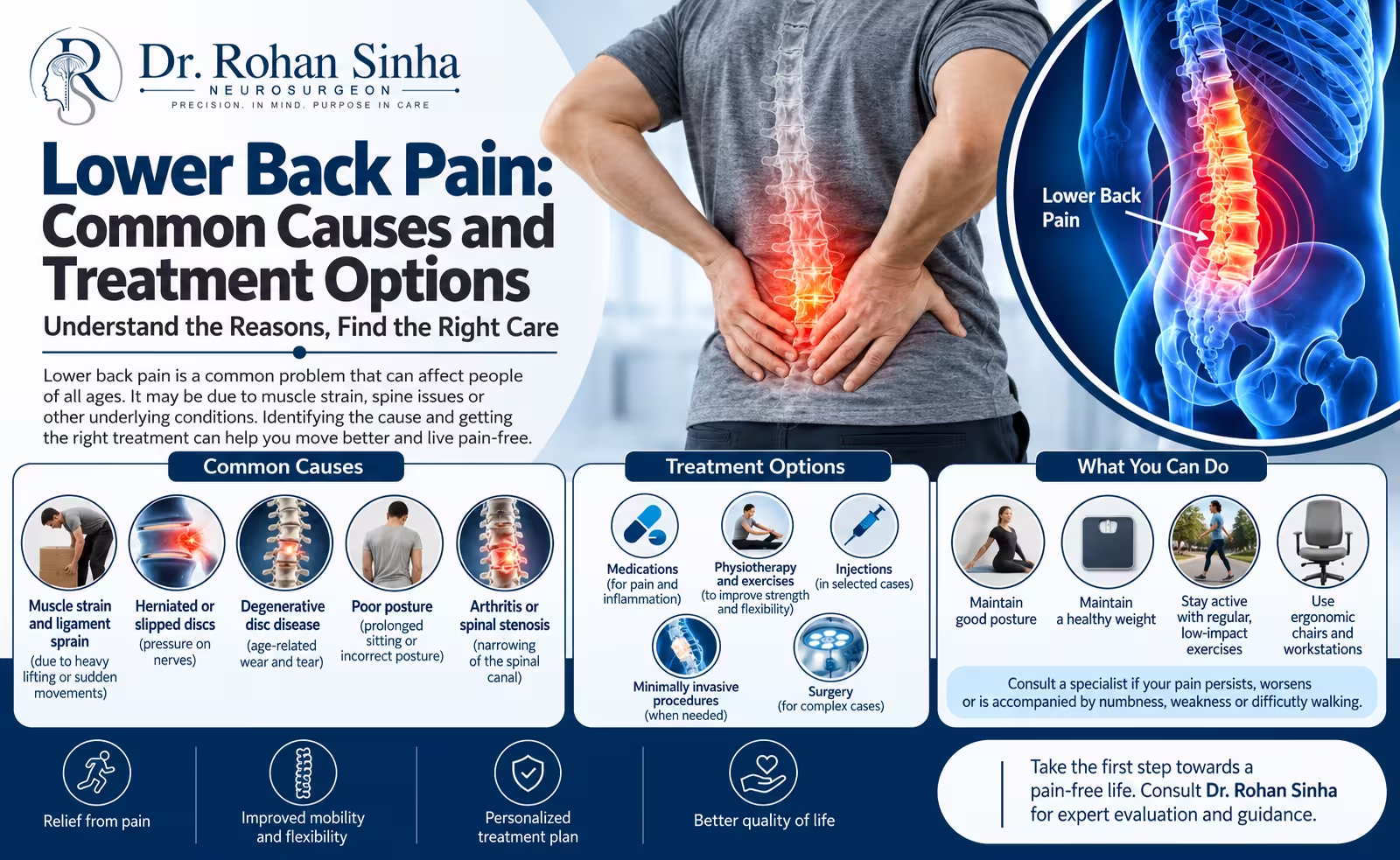
Lower back pain is a very common issue that often feels like a dull ache, stiffness, or a sharp, stabbing sensation in the lower spine.
What Is Lower Back Pain?
Lower back pain refers to pain, stiffness, or discomfort in the area between the lower ribs and the buttocks. The pain may remain localized to the back or may sometimes extend into the hip, buttock, or leg.
Lower back pain can have many possible causes. Muscle and ligament strain, age-related changes in the spine, disc problems, nerve irritation, and certain medical conditions can all contribute to back pain.
Not every case of lower back pain is caused by a slipped disc or requires surgery. A proper evaluation helps identify the likely cause and determine the most appropriate treatment.
Common Causes of Lower Back Pain
Muscle or Ligament Strain
One of the common causes of lower back pain is strain involving the muscles or ligaments supporting the spine.
It may occur after:
- Lifting a heavy object
- Sudden twisting movements
- Repetitive physical activity
- Exercising beyond your usual level
- Poor body mechanics
- Prolonged or awkward postures
The pain may be accompanied by stiffness or muscle spasm and can become more noticeable with certain movements.
Prolonged Sitting and Poor Posture
Spending long periods sitting, especially in an unsupported or awkward position, can place additional stress on the muscles and structures of the lower back.
People who work for long hours at a desk, use computers extensively, or frequently travel for long periods may experience recurrent back discomfort.
Poor posture is not always the only cause of back pain, but improving sitting and movement habits can be helpful as part of an overall management plan.
Slip Disc or Herniated Disc
The discs between the vertebrae act as cushions and help the spine absorb movement and pressure.
When part of a disc bulges or herniates, it may irritate nearby nerves. This can cause lower back pain and, in some cases, pain that travels into the buttock or leg.
When a nerve is affected, symptoms may also include:
- Tingling
- Numbness
- Burning or shooting pain
- Weakness in the leg
This pattern of pain may be associated with sciatica.
Degenerative Changes in the Spine
As people age, the discs and joints of the spine can undergo gradual changes. These may contribute to conditions such as lumbar spondylosis or degenerative disc disease.
Some people have degenerative changes on imaging without having significant symptoms, while others may experience pain, stiffness, or restricted movement.
The presence of a spinal change on an X-ray or MRI does not automatically mean that it is the cause of the pain.
Spinal Stenosis
Spinal stenosis occurs when the spaces around the spinal nerves become narrower.
In the lower back, this may cause:
- Lower back pain
- Pain or heaviness in the legs
- Numbness or tingling
- Symptoms that worsen while standing or walking
- Relief after sitting or bending forward in some patients
The severity and treatment depend on the underlying cause and the individual's symptoms.
Sciatica
Sciatica refers to pain caused by irritation or compression of a nerve root in the lower back that can lead to pain traveling down the leg. It may occur because of a herniated disc or other causes of nerve compression.
Sciatica may be associated with:
- Sharp or shooting pain
- Burning sensations
- Tingling
- Numbness
- Weakness
Not every person with lower back pain has sciatica.
Injuries and Trauma
A fall, road accident, sports injury, or other trauma can affect the muscles, discs, vertebrae, or other structures of the spine.
Significant trauma, especially when followed by severe pain or difficulty moving, should be evaluated by a healthcare professional.
Less Common Medical Causes
Although most back pain is not caused by a serious disease, certain conditions can sometimes present with back pain.
These may include:
- Spinal infection
- Certain cancers
- Inflammatory conditions
- Vertebral fractures
- Other problems affecting the spine or surrounding structures
A clinician may consider these causes when symptoms, medical history, examination findings, or risk factors raise concern.
Symptoms That May Occur With Lower Back Pain
Lower back pain can feel different from person to person.
Common symptoms may include:
Localized Back Pain
Pain may remain around the lower back and may become worse with movement, prolonged sitting, bending, or certain activities.
Stiffness
Some people experience stiffness after sitting for a long time or when getting out of bed.
Pain Moving Into the Buttock or Leg
Pain that travels from the lower back into the buttock or leg may suggest nerve irritation, particularly when accompanied by tingling or numbness.
Tingling or Numbness
Numbness, pins-and-needles, or altered sensation in the leg may occur when a nerve is affected.
Weakness
Weakness in a leg or foot can occur with significant nerve compression and should be assessed appropriately.
When Should Lower Back Pain Be Evaluated by a Doctor?
Many episodes of uncomplicated low back pain improve over time. However, medical evaluation is appropriate when pain is persistent, recurrent, severe, or interfering significantly with everyday activities.
You should seek medical attention particularly if you have:
- Severe pain that starts suddenly or gets worse quickly
- Back pain associated with fever, chills, or feeling generally unwell
- Persistent pain that does not improve
- Pain that is repeatedly disturbing your sleep
- Numbness or weakness in a leg
- Pain associated with significant trauma
- Unexplained weight loss or other concerning symptoms
Back Pain Symptoms That Need Urgent Attention
Some symptoms can indicate a serious neurological problem and require urgent medical assessment.
These include:
- Numbness or weakness affecting both legs
- Loss of sensation around the genitals or anus
- New difficulty controlling the bladder or bowel
- Inability to urinate
- Sudden or rapidly worsening neurological symptoms
These symptoms can occur in emergencies such as cauda equina syndrome and should not be ignored.
How Is Lower Back Pain Diagnosed?
Diagnosis begins with a detailed medical history and physical examination.
A doctor may ask about:
- When the pain started
- Whether it followed an injury or physical activity
- Where the pain is located
- Whether pain travels into the leg
- Presence of numbness or weakness
- Factors that make the pain better or worse
- Previous episodes of back pain
- Other medical conditions
Imaging may be considered when there are specific concerns or when the result is likely to change treatment. Routine imaging is not recommended for every person with uncomplicated low back pain.
Depending on the clinical situation, investigations may include:
- X-ray
- MRI
- CT scan
- Other tests when a specific underlying condition is suspected
Treatment Options for Lower Back Pain
Treatment depends on the cause, severity, duration of symptoms, and whether nerves or other structures are affected.
Self-Care and Staying Active
For many people with uncomplicated low back pain, continuing normal activities as much as possible and avoiding prolonged bed rest can be helpful. Guidance should be adapted to the individual's condition and ability.
Short periods of rest may be appropriate when movement is particularly painful, but prolonged inactivity is generally not recommended.
Exercise and Physical Therapy
Exercise-based approaches can form an important part of treatment for many people with low back pain.
A structured exercise programme may help improve:
- Strength
- Flexibility
- Mobility
- Physical function
The appropriate exercises depend on the cause of pain and the person's overall health. A physiotherapist or doctor can help determine what type of exercise is suitable.
Medicines
Depending on the patient's symptoms and medical history, a doctor may recommend medication for pain or inflammation.
Medication is not suitable for everyone. For example, non-steroidal anti-inflammatory drugs can have gastrointestinal, kidney, liver, or cardiovascular risks in some people and should be used at the lowest effective dose for the shortest appropriate duration when prescribed.
It is important not to self-medicate regularly for persistent back pain without medical advice.
Treatment for Nerve-Related Pain
When lower back pain is associated with nerve compression or sciatica, treatment may need to address the underlying cause rather than simply the pain itself.
Depending on the diagnosis, management may include activity modification, exercise-based treatment, medication decisions, or specialist evaluation.
Injections
Certain spinal or epidural injections may be considered in selected situations, depending on the diagnosis and symptoms. They are not appropriate for every type of lower back pain.
Spine Surgery
Most people with lower back pain do not automatically need surgery.
Surgical treatment may be considered in selected patients when there is a clear structural problem and non-surgical treatment has not adequately improved symptoms or function. For example, NICE recommends considering spinal decompression for people with sciatica when non-surgical treatment has not improved pain or function and imaging findings are consistent with the symptoms.
The decision for surgery depends on factors such as:
- The underlying diagnosis
- Severity and duration of symptoms
- Neurological findings
- Impact on daily activities
- Imaging findings
- Response to non-surgical treatment
- Overall health
Surgery should therefore be recommended after an appropriate clinical evaluation rather than based on an MRI report alone.
Can Lower Back Pain Be Prevented?
Not every episode of back pain can be prevented, but certain habits may support spinal health.
These include:
Stay Physically Active
Regular movement and appropriate exercise can help maintain muscle strength and physical function.
Avoid Sudden Heavy Lifting
When lifting, use appropriate body mechanics and avoid sudden twisting while carrying heavy objects.
Take Breaks From Prolonged Sitting
If your work involves sitting for extended periods, regular movement breaks can help reduce prolonged static loading.
Maintain a Healthy Lifestyle
Overall physical fitness, regular activity, adequate sleep, and maintaining a healthy weight can support general musculoskeletal health.
Lower Back Pain Does Not Always Mean a Spine Problem
One of the most important things to understand is that lower back pain has many possible causes.
A patient may have muscle strain, a disc problem, arthritis, nerve irritation, spinal stenosis, an injury, or another condition. At the same time, some people may have changes on an MRI without those findings actually being responsible for their pain.
This is why treatment should be based on the complete clinical picture rather than on imaging findings alone. NICE specifically advises against routine imaging for nonspecific low back pain when the result is unlikely to change management.
Why Choose Dr. Rohan Sinha for Lower Back Pain Treatment in Noida?
Persistent lower back pain can have different causes, including disc problems, nerve compression, spinal degeneration, or other conditions affecting the spine. Consulting an experienced specialist can help identify the underlying cause and determine whether conservative care, physiotherapy, or further treatment may be appropriate. Dr. Rohan Sinha, Best Neurosurgeon & Spine Specialist in Noida, provides personalized evaluation and treatment planning for patients with back pain and other spinal conditions.
The treatment approach depends on the source and severity of the pain, associated symptoms, neurological findings, and imaging results when required. Dr. Rohan Sinha assesses the patient's medical history, symptoms, physical examination, and relevant investigations to understand the condition and recommend a suitable treatment approach.
If lower back pain continues despite self-care, affects your daily activities, or is accompanied by leg pain, numbness, weakness, or other concerning symptoms, consulting a spine specialist can help in getting the condition properly evaluated and managed.
Related Treatments
Related Articles
- What Causes Back Pain? Common Causes, Symptoms and Treatment Options
- Back Exercises in 15 Minutes a Day: Simple Exercises for a Healthier Back
- Neck Pain: Symptoms, Causes & When to See a Doctor
- Brain Tumour Warning Signs: Symptoms That Need Medical Evaluation
Conclusion
Lower back pain can result from muscle strain, disc problems, degenerative changes, spinal stenosis, nerve irritation, injuries, and other conditions. Many cases improve with appropriate non-surgical care, but persistent, severe, or worsening symptoms may require medical evaluation.
Pain that is accompanied by leg weakness, numbness, bladder or bowel changes, or loss of sensation around the groin or anal area requires urgent medical attention.
Rather than assuming that every episode of back pain is a slipped disc or requires surgery, it is important to understand the underlying cause. A proper clinical evaluation can help determine whether self-management, exercise, medication, physiotherapy, specialist treatment, or surgery is appropriate.
Frequently Asked Questions
1. What is the most common cause of lower back pain?
Lower back pain can have many causes. Muscle or ligament strain, mechanical back pain, disc-related problems, and age-related spinal changes are common possibilities. The exact cause varies from person to person.
2. Can lower back pain go away on its own?
Yes. Many episodes of uncomplicated lower back pain improve over time, particularly with appropriate activity, self-management, and exercise-based care.
3. When should I see a doctor for lower back pain?
You should seek medical evaluation when the pain is persistent, severe, recurrent, worsening, significantly affecting daily activities, or associated with symptoms such as numbness or weakness.
4. Do I need an MRI for lower back pain?
Not necessarily. Imaging is not routinely required for uncomplicated low back pain. It may be recommended when specific concerns are present or when the results are likely to change treatment.
5. Does lower back pain always mean I have a slipped disc?
No. Lower back pain can have many causes, and a slipped or herniated disc is only one possibility.
6. Can physiotherapy help with lower back pain?
Exercise-based treatment and physical therapy can be useful for many people with low back pain. The exercises should be appropriate for the underlying condition and the individual's symptoms.
7. When is spine surgery considered for lower back pain?
Spine surgery is generally considered only in selected cases where there is a specific structural or neurological problem and appropriate non-surgical treatment has not provided sufficient improvement. For some patients with sciatica and confirmed nerve compression, decompression may be considered when non-surgical treatment has not improved pain or function.
8. What symptoms of back pain require urgent medical attention?
Back pain with weakness or numbness in both legs, numbness around the genitals or anus, or new bladder or bowel problems requires urgent medical assessment.