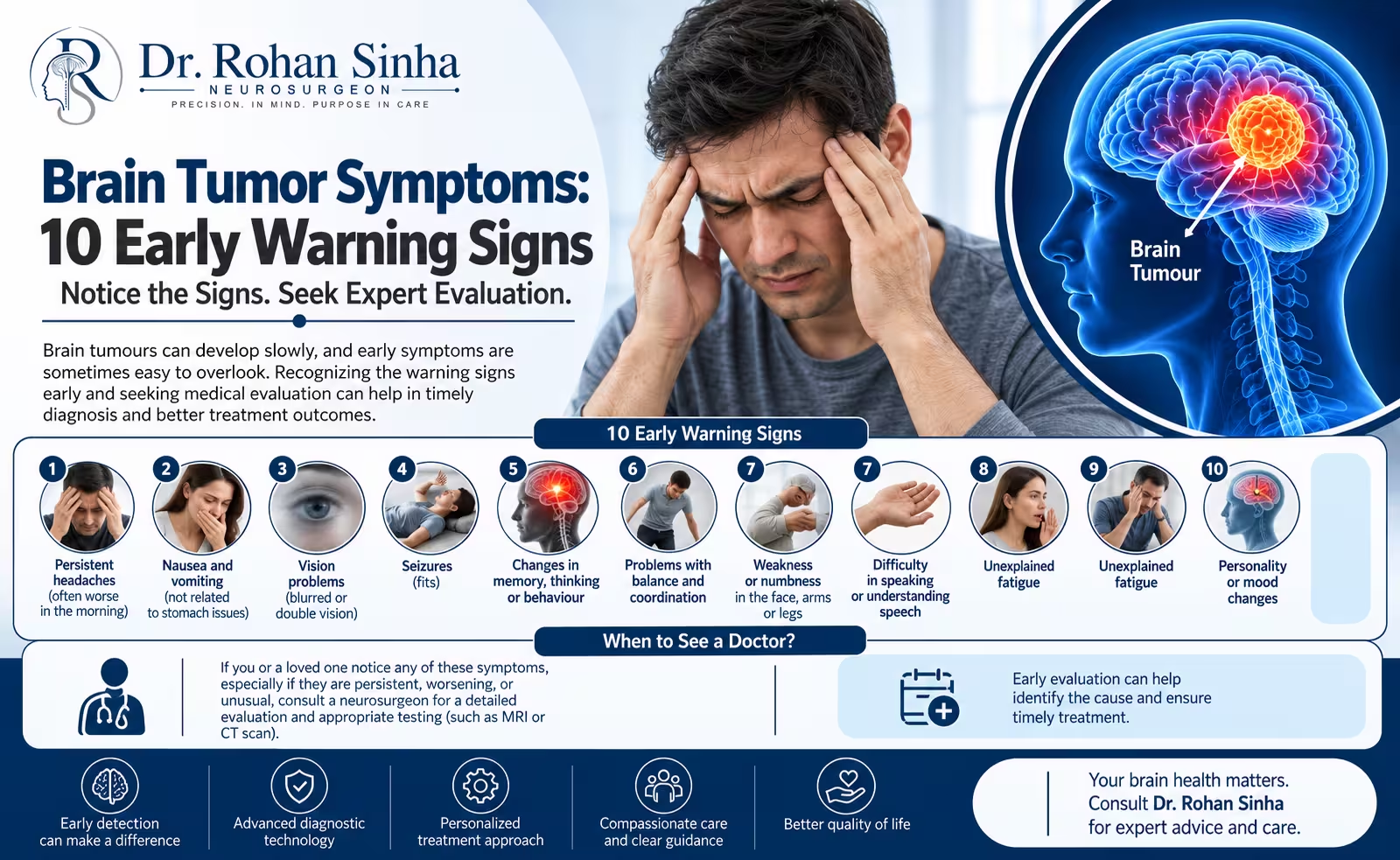
Brain tumor symptoms depend on the size, type, and location of the growth in the brain.
What Is a Brain Tumor?
A brain tumor is an abnormal growth of cells in or around the brain. Brain tumors can be benign (non-cancerous) or malignant (cancerous).
Even a benign tumor can sometimes cause significant problems if it grows in an area where it presses on nearby brain tissue, nerves, or other important structures.
The symptoms of a brain tumor depend largely on its location and effect on surrounding tissues. This is why two people with brain tumors may experience very different symptoms.
10 Early Warning Signs of a Brain Tumor
1. New or Persistent Headaches
Headaches are common and are usually caused by conditions other than brain tumors. However, a new headache pattern that persists, becomes more frequent, or progressively worsens may require medical evaluation.
A headache may be more concerning when it occurs along with other neurological symptoms such as vomiting, seizures, weakness, vision changes, or problems with balance.
The pattern of the headache and the presence of additional symptoms are often more important than the headache alone.
2. Nausea and Vomiting
Persistent nausea or vomiting, particularly when it occurs along with headaches or other neurological symptoms, should not be ignored.
There can be many causes of nausea and vomiting, so these symptoms alone do not mean that a person has a brain tumor. However, ongoing or unexplained symptoms may warrant further assessment.
3. Seizures
A seizure occurs when there is abnormal electrical activity in the brain.
A first-time seizure in an adult should always receive prompt medical evaluation. Seizures may involve unusual movements, muscle stiffness, loss of awareness, staring episodes, or changes in consciousness.
A seizure can have many different causes, including but not limited to brain tumors.
4. Changes in Vision
Some brain tumors can affect areas involved in vision or put pressure on structures related to the visual system.
Possible changes may include:
- Blurred vision
- Double vision
- Reduced vision
- Loss of part of the visual field
- Difficulty seeing objects clearly
New or unexplained changes in vision should be evaluated by an appropriate healthcare professional, especially when accompanied by headache or other neurological symptoms.
5. Weakness or Numbness
A brain tumor affecting areas responsible for movement or sensation can sometimes cause weakness, numbness, or altered sensation.
These symptoms may involve:
- The face
- An arm
- A leg
- One side of the body
Sudden weakness or numbness can also be a sign of a medical emergency such as stroke. Sudden neurological changes therefore require urgent medical attention rather than being assumed to be caused by a brain tumor.
6. Problems With Balance and Coordination
Some brain tumors can affect parts of the brain involved in coordination and movement.
A person may notice:
- Difficulty walking
- Frequent stumbling
- Unsteadiness
- Poor coordination
- Difficulty performing certain movements
Persistent or progressive changes in balance should be assessed, particularly when they occur with other neurological symptoms.
7. Speech or Language Changes
Changes in speech or language may occur when areas of the brain involved in communication are affected.
A person may have difficulty:
- Finding the right words
- Speaking clearly
- Understanding language
- Expressing thoughts
- Following conversations
Sudden difficulty speaking or understanding speech is a medical emergency and can be associated with stroke. It should be addressed immediately.
8. Memory and Thinking Problems
Some brain tumors may affect cognitive functions such as memory, concentration, reasoning, or processing information.
Possible changes include:
- Forgetfulness
- Difficulty concentrating
- Confusion
- Problems completing familiar tasks
- Difficulty organizing thoughts
These symptoms can also occur with many other conditions, including sleep problems, medications, stress, metabolic disorders, and age-related changes. Persistent or progressive changes should be discussed with a doctor.
9. Changes in Behaviour or Personality
Changes in behaviour or personality may sometimes occur when a tumor affects particular areas of the brain.
Family members or close friends may notice:
- Unusual irritability
- Changes in social behaviour
- Loss of interest in usual activities
- Uncharacteristic emotional changes
- Altered judgment
The person experiencing these changes may not always notice them themselves. A persistent and unexplained change in behaviour should be evaluated, especially when accompanied by other neurological symptoms.
10. Persistent Dizziness or Unexplained Neurological Changes
Dizziness can have many causes and does not necessarily indicate a brain tumor. However, persistent dizziness associated with balance problems, vision changes, weakness, speech difficulties, or other neurological symptoms requires appropriate evaluation.
Any new combination of unexplained neurological symptoms deserves attention rather than being ignored.
Symptoms of Brain Tumor Can Vary by Location
The location of a brain tumor plays an important role in determining the symptoms it may produce.
For example:
- A tumor affecting movement-related areas may cause weakness.
- A tumor involving areas related to vision may cause visual disturbances.
- A tumor affecting language-related areas may lead to speech or communication problems.
- A tumor involving the cerebellum may affect balance and coordination.
- A tumor in certain areas may contribute to changes in behaviour, memory, or judgment.
This is one reason symptoms alone cannot confirm whether a person has a brain tumor.
Do Headaches Always Mean a Brain Tumor?
No.
Headaches are extremely common and can occur because of migraine, tension, dehydration, sleep problems, infections, medication effects, and many other causes.
A brain tumor may cause headaches in some patients, but the presence of a headache alone does not mean that a tumor is present.
Medical evaluation becomes particularly important when a headache is:
- New and persistent
- Progressively worsening
- Different from previous headaches
- Associated with repeated vomiting
- Associated with seizures
- Accompanied by weakness, numbness, vision or speech changes
- Associated with significant changes in balance or consciousness
When Should Brain Tumor Symptoms Be Evaluated?
Not every symptom listed above indicates a brain tumor. However, you should seek medical evaluation if you develop new, persistent, unexplained, or progressively worsening neurological symptoms.
These may include:
- A new or worsening headache pattern
- A first-time seizure
- Persistent vomiting with neurological symptoms
- New weakness or numbness
- Persistent balance or coordination problems
- New vision changes
- Speech or language difficulties
- Progressive memory or behavioural changes
- Multiple neurological symptoms occurring together
A doctor can determine whether further testing is necessary.
When Do These Symptoms Require Urgent Medical Attention?
Some neurological symptoms can indicate an emergency and should not be attributed to a brain tumor without evaluation.
Seek urgent medical attention for symptoms such as:
- Sudden severe headache
- First-time seizure
- Sudden weakness or numbness
- Sudden difficulty speaking or understanding speech
- Sudden loss or major change in vision
- Sudden severe balance problems
- Loss of consciousness
These symptoms can occur in medical emergencies such as stroke, brain hemorrhage, or seizures and require prompt assessment.
How Is a Brain Tumor Diagnosed?
Symptoms alone cannot diagnose a brain tumor.
The evaluation usually begins with a detailed medical history and neurological examination. Depending on the symptoms and examination findings, the doctor may recommend further investigations.
Imaging tests may include:
MRI Brain
MRI is commonly used to obtain detailed images of the brain and can help identify abnormalities, their location, and their relationship with surrounding structures.
CT Scan
A CT scan may be used in certain situations, particularly when rapid imaging is needed or when MRI is not immediately available or appropriate.
Additional tests may be recommended depending on the suspected diagnosis.
If imaging identifies a brain lesion, further assessment may be required to understand its nature and determine the most appropriate treatment.
Why Early Medical Evaluation Matters
Many symptoms associated with brain tumors can also occur with other, more common medical conditions. Having one of these symptoms does not mean that you have a brain tumor.
However, delaying evaluation of persistent or progressive neurological symptoms may postpone the identification of the underlying cause.
A medical assessment can help determine whether symptoms are related to a brain tumor, another neurological condition, or an unrelated problem, and whether further investigation is needed.
How Are Brain Tumors Treated?
Treatment depends on several factors, including:
- Type of brain tumor
- Tumor size
- Location
- Growth pattern
- Symptoms
- Overall health
- Whether the tumor is benign or malignant
Depending on the individual diagnosis, treatment may involve observation and regular imaging, surgery, radiation therapy, medicines, or a combination of approaches.
Not every brain tumor requires surgery. The most appropriate treatment depends on the specific diagnosis and clinical circumstances.
Why Choose Dr. Rohan Sinha for Neurosurgical Care in Noida?
When persistent neurological symptoms raise concern about a possible brain or spine condition, evaluation by an experienced neurosurgical specialist can help identify the underlying problem and guide appropriate treatment. Dr. Rohan Sinha, Best Neurosurgeon & Spine Specialist in Noida, provides specialized care for brain, spine, and neurological conditions with an emphasis on individual assessment and treatment planning.
Brain tumor management can vary significantly depending on the type, location, size, symptoms, and overall health of the patient. Dr. Rohan Sinha reviews the patient's symptoms, neurological examination, imaging findings, and other relevant clinical information to help determine the appropriate next steps.
If you or a family member develops persistent or unexplained neurological symptoms, or has been diagnosed with a brain tumor, timely consultation with a neurosurgical specialist can help in understanding the condition and available treatment options.
Related Treatments
- Brain Tumor Surgery
- Skull Base Surgery
- Functional Neurosurgery
- Brain Aneurysm Treatment
- Epilepsy Surgery
- Stroke Care Treatment
- Deep Brain Stimulation
Related Articles
- What Causes Back Pain? Common Causes, Symptoms and Treatment Options
- Back Exercises in 15 Minutes a Day: Simple Exercises for a Healthier Back
- Neck Pain: Symptoms, Causes & When to See a Doctor
- Brain Tumour Warning Signs: Symptoms That Need Medical Evaluation
- Lower Back Pain: Common Causes and Treatment Options
Conclusion
Brain tumor symptoms can vary significantly depending on where the tumor develops and how it affects surrounding brain tissue. Headaches, seizures, vision changes, weakness or numbness, balance problems, speech difficulties, and changes in memory or behaviour can occur in some patients, but these symptoms can also have many other causes.
A new, persistent, or worsening neurological symptom should not automatically be assumed to indicate a brain tumor. At the same time, concerning symptoms should not be ignored or self-diagnosed.
If you experience persistent neurological changes or have been diagnosed with a brain tumor, a thorough medical evaluation can help identify the cause and determine the most appropriate next steps.
Frequently Asked Questions
1. What are the early warning signs of a brain tumor?
Possible warning signs can include a new or worsening headache pattern, seizures, vision changes, weakness or numbness, balance problems, speech or language difficulties, memory changes, and changes in behaviour or personality.
2. Is a headache always a sign of a brain tumor?
No. Most headaches are caused by conditions other than brain tumors. A new, persistent, or worsening headache, particularly when accompanied by neurological symptoms, should be medically evaluated.
3. Can a brain tumor cause seizures?
Yes. Some brain tumors can cause seizures, but seizures also have many other possible causes. A first-time seizure requires prompt medical evaluation.
4. Can vision problems be a symptom of a brain tumor?
Yes, some brain tumors can affect vision depending on their location. New or unexplained visual changes should be evaluated by a healthcare professional.
5. Can a brain tumor cause weakness or numbness?
It can, depending on which area of the brain is affected. However, sudden weakness or numbness can also indicate a stroke and requires urgent medical assessment.
6. How is a brain tumor diagnosed?
Diagnosis usually begins with a medical history and neurological examination. Depending on the findings, imaging such as MRI or CT may be recommended, along with additional tests when necessary.
7. Does every brain tumor require surgery?
No. Treatment depends on the tumor type, size, location, symptoms, and other clinical factors. Some tumors may be monitored, while others may require surgery, radiation therapy, medicines, or a combination of treatments.
8. When should I see a neurosurgeon for possible brain tumor symptoms?
You should consider medical evaluation for persistent, unexplained, or worsening neurological symptoms, particularly seizures, progressive headaches with other neurological symptoms, weakness, numbness, vision changes, speech difficulties, or significant changes in balance or behaviour.